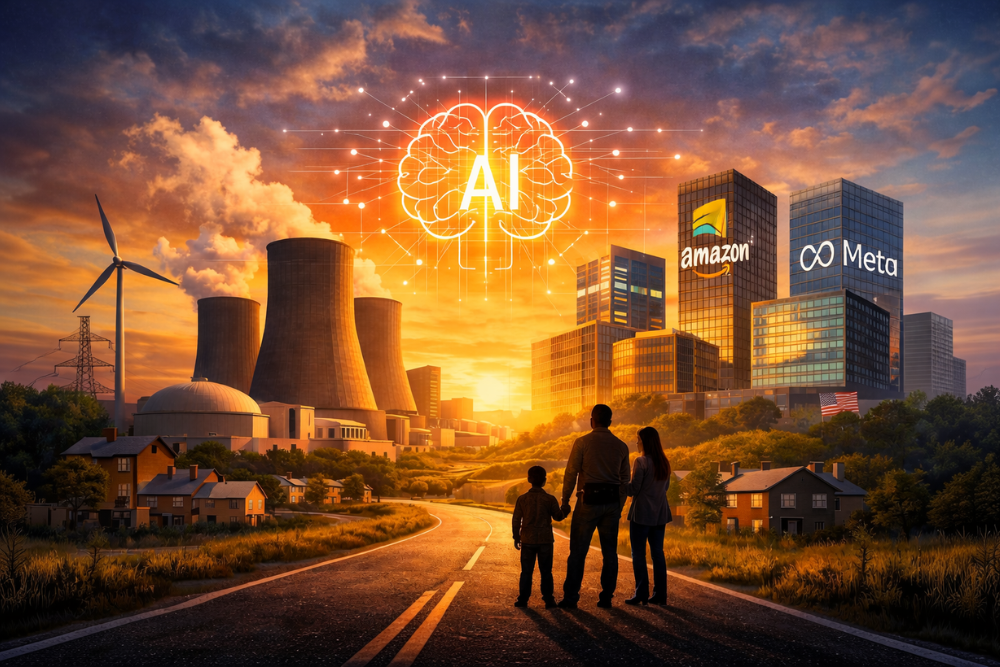
The United States is entering a new chapter in its nuclear energy renaissance, marked by unprecedented alignment between advanced energy technologies and the digital economy. Leading technology companies, including Microsoft, Amazon, Meta, and OpenAI, are increasingly engaging as drivers of nuclear deployment, recognizing its unique ability to deliver the reliable, carbon-free power required to support data centers, artificial intelligence, and cloud infrastructure at scale.
But while the headlines highlight innovation, investment, and technical promise, a critical question is getting much less attention: Will this moment of unprecedented private capital flowing into nuclear energy translate into real, lasting benefits for the communities that host these facilities and their supply chains?
The Social Considerations of a Tech-Led Nuclear Expansion
A recent analysis from the Carnegie Endowment underscores something too many policymakers and investors are glossing over: tech-driven nuclear expansion has social costs if communities bear risks without proportionate benefits. These considerations include ensuring environmental stewardship, maximizing local economic participation, and maintaining strong local agency in decisions that shape a community’s future.
This is not just an academic argument. As nuclear technologies, especially advanced and small modular reactors (SMRs) proliferate at sites that once seemed inactive, or in areas attracting AI-focused industrial growth, local stakeholders rightly ask: Who benefits? And who pays?
A Broader Vision for Community Partnership
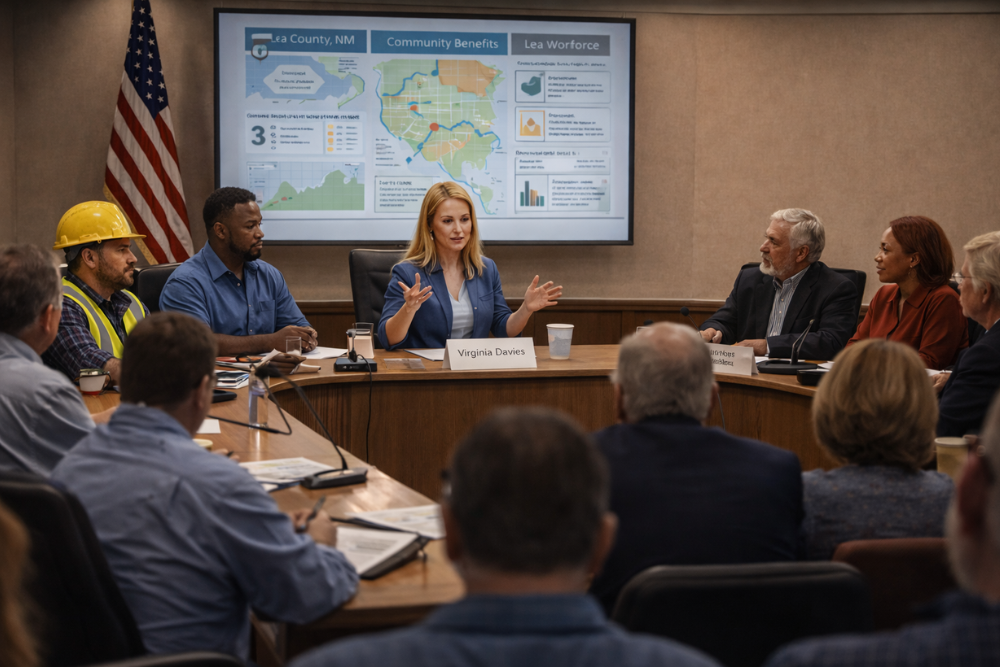
This moment presents an opportunity, not to correct past approaches, but to define a modern one. As nuclear energy enters an exciting new phase driven by advanced technology and private capital, anchor businesses have the chance to model a 21st-century paradigm – one that balances long-term shareholder value with durable investments in local businesses, environmental stewardship, workforce development, and education.
In today’s nuclear renaissance, job creation remains an important foundation, but leading projects are also designed to deliver broader, long-term value through workforce development, local business participation, education, and community investment.
That’s where community benefits frameworks like those developed by the U.S. Department of Energy (DOE) become essential. DOE’s Community Benefits Plans (CBPs) are increasingly required for projects supported by federal funds and financing programs. These plans go beyond token commitments, centering community engagement, workforce investment, equity, and measurable outcomes from supply chain participation to educational opportunities.
While not binding contracts, these frameworks are designed to thoughtfully integrate economic and social value into a project from the outset, reflecting the kind of forward-looking approach that will help nuclear energy play a strong role in the modern energy landscape.
Anchor Businesses Have a Responsibility and an Opportunity
Corporations that become “anchor businesses” in nuclear communities whether through power purchase agreements, direct investment, or infrastructure deployment wield enormous influence. With that influence comes responsibility.
From my vantage point at American Fuel Resources, I see first-hand how strategic investment in human capital, infrastructure, and local ecosystems unlocks far more enduring value than any short-term construction boom. Here’s what that can look like in practice:
- Workforce Development Partnerships: Long-term, local training programs not just temporary construction jobs that lead to sustained careers in manufacturing, operations, safety, and advanced energy technologies.
- Community Infrastructure Commitment: Investments in schools, broadband, healthcare access, and technical education hubs that remain long after the reactor goes online.
- Supply Chain Inclusivity: Ensuring that local and regional suppliers especially small, historically underrepresented, or disadvantaged businesses can participate meaningfully in the buildout and ongoing economic activity.
- Transparent Engagement: Proactive, ongoing dialogue that begins early, before plans are finalized, and continues through operations and beyond.
These elements aren’t altruistic. They reflect a modern understanding of risk, resilience, and shared prosperity. Companies that embrace this ethos don’t just avoid conflict; they generate local goodwill, reduce delays, and expand the market for their innovations.
Lea County and the Path Forward
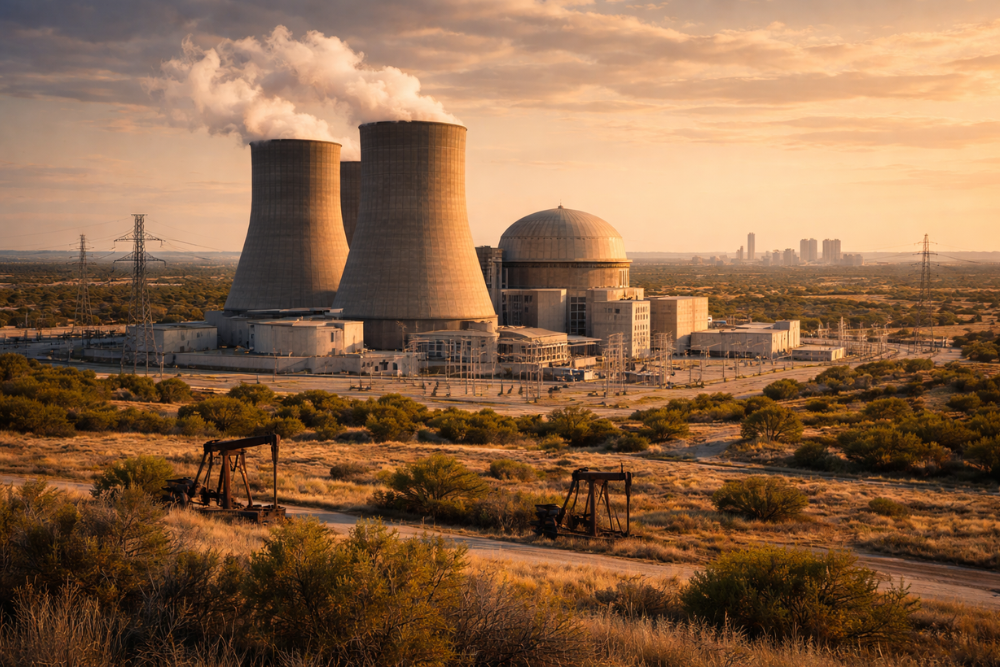
In work supporting Department of Energy initiatives in Lea County, New Mexico, a region positioned to benefit from nuclear supply chain investment, we’ve seen how early, thoughtful engagement creates tangible results. Local stakeholders didn’t just want job announcements; they wanted strategies for meaningful educational pipelines, business development resources, and community governance mechanisms that ensure long-term economic participation.
That’s the level of investment and commitment we should expect from all major players, from Silicon Valley to Main Street, if the nuclear renaissance is to be socially as well as technologically successful.
Conclusion: A Moment to Lead With Value, Not Just Capital
We are at an inflection point: the convergence of AI’s unprecedented energy demand and nuclear’s promise of reliable, carbon-free power offers tremendous opportunity. But without intentional strategies that prioritize community value, equity, and inclusive economic growth, we risk repeating the same patterns that have too often left host communities with risk but without reward.
Tech giants helped amplify the possibility of a renaissance. Now they, and all of us in energy and technology leadership, must help ensure that renaissance serves the people and places that make it possible.
The most successful nuclear projects of this era will be those that align innovation, capital, and community well-being from the start creating shared value that endures for generations.